


High-mix, low-volume (HMLV) PCB assembly is a production approach built for products with many variants and short runs — delivering the flexibility teams need without compromising quality. This article breaks down what HMLV looks like in practice, how it differs from traditional mass production, and when engineering and procurement should choose it for prototypes, regulated hardware, or niche runs. You'll get clear guidance on HMLV traits, the trade-offs in cost and lead time, inspection and test strategies, and how to evaluate an onshore partner. We also cover NPI and DFM practices that speed iterations, integrated cable and box-build workflows that lower integration risk, and quality controls needed for aerospace and medical programs.
What is High-Mix, Low-Volume Manufacturing in Electronics?
High-mix, low-volume (HMLV) manufacturing describes production environments that handle many different SKUs in small quantities, prioritizing fast changeovers and operational flexibility over the lowest possible per-unit cost. HMLV combines adaptable equipment, experienced technicians, and tight process controls so frequent line reconfigurations and varied BOMs are executed repeatably. The payoff is faster iteration cycles, lower inventory risk, and the ability to support specialized or regulated products that never justify full mass-production tooling.
HMLV differs from high-volume models across several operational attributes. The table below highlights the differences most relevant to electronics projects:
ApproachTypical Run SizeLead TimeFlexibilityIdeal Use Cases High-Mix, Low-Volume (HMLV)1–1,000 units per SKUShort to moderate; configurable quick-turnHigh; supports many SKUs and frequent changesPrototypes, medical/aerospace small runs, customized products High-Volume Production10,000+ units per SKULonger initial setup but lower per-unit costLow; optimized for single-SKU continuityMature products at scale, commodity electronics Medium-Volume / Bridge Production1,000–10,000 unitsModerate lead times, some toolingModerate; batch upgrades possibleInitial product ramps before full-scale transferIn short: choose HMLV when flexibility and lower inventory risk matter more than the absolute lowest unit cost — a decision typically driven by product maturity and regulatory demands.
How Does High-Mix, Low-Volume Differ from Traditional Mass Production?
HMLV and mass production diverge in setup economics, workflow cadence, and how they handle design change. HMLV prioritizes rapid changeovers and small lots to support SKU variety and iterative design, while mass production spreads tooling and fixture costs over large volumes to minimize per-unit spend. Practically, HMLV devotes more effort to scheduling, kitting, and thorough inspection for each unique assembly; mass lines instead optimize continuous throughput and minimize changeovers to reduce labor and capital cost.
- Run size and SKU diversity are the clearest distinctions.
- Frequent setups make HMLV more labor- and skill-intensive.
- Pick HMLV when demand and variants are uncertain; pick mass production for stable, high-volume demand.
Example: an aerospace subsystem with multiple configurations and strict traceability rarely suits mass-production economics. HMLV preserves compliance and reduces inventory obsolescence.
What Are the Key Characteristics of High-Mix, Low-Volume PCB Assembly?
HMLV operations pair flexible equipment, skilled staff, and strict process controls to keep quality consistent across small runs and many variants. Typical features include quick-turn SMT lines that accept varied feeders and polarity setups, fixtures for mixed-technology boards, and heavier reliance on inspection (AOI, X-ray) plus documentation to ensure repeatability. Small-batch workflows also depend on precise kitting, per-lot traceability, and tight vendor coordination to manage part variability and obsolescence risk.
- Equipment flexibility and operator expertise are core to HMLV success.
- Early DFM and supplier engagement plus tight BOM control reduce rework.
- Higher per-unit cost is offset by lower inventory carrying costs and faster iteration cycles.
Why Choose High-Mix, Low-Volume PCB Assembly for Your Electronics Projects?
Choosing HMLV is a strategic decision tied to product lifecycle, customization needs, and regulatory constraints. HMLV excels when products require multiple variants, frequent design updates, or when volumes don't justify expensive tooling and long runs. For startups and OEMs, HMLV cuts initial capital outlay, reduces obsolescence risk, and shortens the feedback loop between prototype testing and subsequent revisions.
At a glance, the primary benefits teams should weigh when comparing HMLV to mass production:
- Ability to produce many SKUs and absorb design changes without major retooling.
- Lower upfront investment because large tooling and high minimum orders are avoided.
- Faster iterations and quicker time-to-market for prototypes and regulated variants.
What Are the Flexibility and Cost-Efficiency Advantages for OEMs and Startups?
For OEMs and startups, HMLV's strongest benefits are predictable cash flow, lower inventory burn, and the freedom to test multiple configurations before committing to high-volume tooling. HMLV supports staged launches — small pilot batches for user testing followed by controlled iterations — which lowers the risk of costly recalls or late design fixes after mass production. Cost drivers shift from capital expenditure to skilled labor, process controls, and procurement strategies that favor availability for small lots.
- Lower tooling costs and reduced minimum order thresholds remove financial barriers.
- Multiple-SKU capability lets you validate variants without large inventory exposure.
- Shorter feedback loops improve product-market fit before scaling.
How Does HMLV Support Rapid Prototyping and Design Iterations?
HMLV accelerates prototyping by pairing quick-turn PCB assembly with NPI workflows that emphasize early DFM feedback and iterative testing. Quick-turn SMT lines shorten cycle times for small batches, and in-house cable assembly and box-build capabilities let you validate full systems without cross-vendor delays. Typical NPI steps include prototype assembly, functional testing, DFM review, and a short corrective loop — a sequence that tightens the time between design updates and validated assemblies.
- Quick-turn assembly can reduce prototype lead times from weeks to days.
- Early DFM reviews prevent costly late-stage design changes.
- Integrated cable and enclosure testing speeds system-level verification and reduces field rework.
How Does I-Tech E-Services Deliver Precision in High-Mix, Low-Volume PCB Assembly?
At I-Tech E-Services LLC, we're a US-based contract electronics manufacturer focused on high-mix, low-to-mid-volume production and turnkey delivery. Our services — PCB assembly, custom cabling, box builds, testing/validation, aftermarket repair, and professional staffing — show how an onshore HMLV provider combines technical breadth with operational controls to lower program risk.
The table below maps our service areas to capabilities and the client benefits that flow from an integrated approach to small-batch programs:
ServiceCapabilityClient Benefit SMT & Through-Hole AssemblyMixed-technology lines and selective solderingSupports boards with diverse component types without rework Custom Cable & Wire HarnessesIn-house termination and harness testingReduces integration defects and supplier handoffs Box Builds & Enclosure IntegrationEnclosure assembly and system-level wiringFaster system testing and single-vendor accountability Testing & ValidationAOI, X-ray, functional test, repair servicesLowers defect rates and shortens time-to-deploymentWhat PCB Assembly Technologies and Processes Are Used?
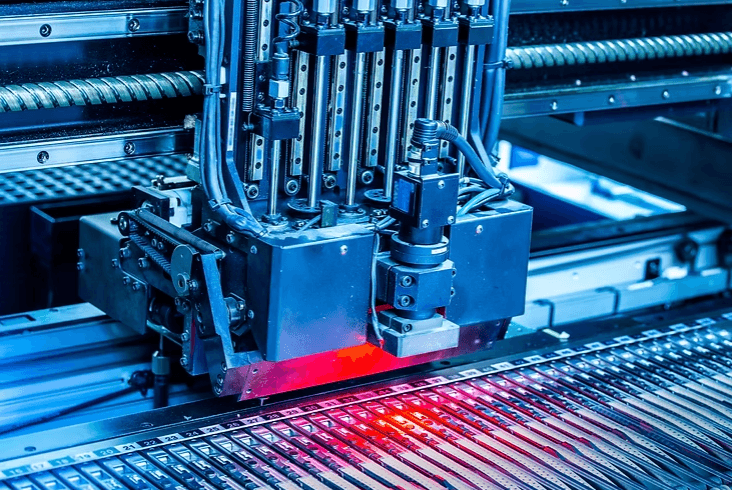
HMLV PCB assembly relies on flexible SMT pick-and-place systems, reflow soldering for surface-mounts, selective soldering for through-hole or mixed-technology boards, and automated inspection tools like AOI and X-ray to ensure quality at low volumes. These technologies let manufacturers handle different component types and package densities without committing to single-product tooling. For low-volume runs, flying probe testers and bed-of-nails alternatives provide in-circuit testing without the upfront fixture cost of mass production.
- Pick-and-place plus reflow enable fast changeovers across PCB designs.
- Selective soldering handles mixed-technology needs while keeping throughput steady.
- AOI/X-ray and flying probe testing detect assembly defects early.
How Do Integrated Cable Assembly and Box-Build Services Enhance Turnkey Solutions?
Bringing cable assembly and box-build in-house reduces integration risk by consolidating PCB assembly, harness production, and enclosure integration under a single plan. Practically, this means kitting PCBs with harnesses and enclosures ahead of final assembly, running system-level functional tests, and delivering pre-validated units ready for customer verification. Single-vendor responsibility shortens issue resolution because root-cause analysis and corrective action happen inside the same organization.
- Single-point accountability reduces handoff errors and speeds troubleshooting.
- In-house harness production improves termination quality and cuts late-stage rework.
- System-level testing during box build validates interoperability before shipment.
What Quality Standards and Certifications Ensure Reliability in HMLV PCB Assembly?
For regulated applications like aerospace and medical devices, certifications and documented process controls are non-negotiable. Key certifications include:
- AS9100D: Aerospace quality management system requirements.
- ISO 13485: Medical device quality management standards.
- ITAR Registration: Defense-related manufacturing compliance.
- IPC-A-610 and IPC/WHMA-A-620: Acceptability criteria for electronics and cable assemblies.
Certified suppliers maintain trained operators, calibrated equipment, and traceable records that support regulatory submissions and customer audits. Learn more about our certifications and quality standards.
What Is the HMLV Partner Evaluation Checklist?
When evaluating an HMLV partner, consider these key criteria:
- Certifications: Verify AS9100D, ISO 13485, ITAR, or other industry-specific credentials.
- Equipment Flexibility: Confirm quick-changeover SMT lines and mixed-technology capabilities.
- Traceability Systems: Ensure lot-level and component-level tracking for regulated programs.
- Inspection & Testing: Look for AOI, X-ray, SPI, and functional test capabilities.
- NPI Support: Evaluate DFM review processes and prototype turnaround times.
- Integrated Services: Prefer partners offering cable, box-build, and test under one roof.
- Communication: Assess responsiveness and engineering collaboration during quoting.
Conclusion
High-mix, low-volume PCB assembly offers the flexibility, speed, and quality controls that complex electronics programs demand. By choosing an HMLV partner with the right certifications, integrated capabilities, and collaborative approach, engineering teams can accelerate prototypes, reduce inventory risk, and deliver reliable products to market faster. Whether you're developing aerospace avionics, medical devices, or industrial controls, HMLV provides a practical path from design validation to production without the constraints of traditional mass manufacturing.
Ready to discuss your next HMLV project? Contact I-Tech E-Services for a free consultation and quote.